
Why Do I Compare Myself to Others? — Find Out
If you keep asking 'why do i compare myself to others,' the comparing isn't ambition — it's a search for proof you're enough. When your worth once felt conditional on measuring up, your mind learned to check it constantly against everyone else. Comparing yourself usually traces back to an anxious attachment pattern. This free test shows how strongly it runs in you.
❤️ Relationship Patterns Test
Which attachment style are you?
Your attachment style influences how you trust, love, and respond to closeness. Take this free attachment test to discover your unique relationship pattern in about 2 minutes.




Trusted by 25,000+ people
- Everything you share is processed securely.
- We never publish your quiz answers, conversations, or uploaded screenshots.
- No account required.
❤️ Built From a Real Relationship
Created by someone who experienced an anxious–avoidant relationship firsthand.
Read the story →Four attachment styles
Discover Your Attachment Style
Secure
Comfortable with intimacy and independence.
Anxious
Seek closeness, often worry about abandonment.
Avoidant
Value independence, feel uncomfortable with closeness.
Fearful Avoidant
Desire intimacy but fear getting hurt or overwhelmed.
Where science meets AI
An attachment style test, personalized by AI
Classic attachment theory, scored the research-backed way — then an AI model writes a report that is yours alone.
Grounded in attachment theory
Scored the same way psychologists have studied for decades — across secure, anxious, avoidant, and fearful-avoidant patterns.
Personalized by AI
Your answers become a custom report: a relationship overview, your strengths, your triggers, and steps toward more secure attachment.
Free and private
No signup, no paywall. Take the attachment style test in about two minutes.

What 'comparing yourself to others' really means
Comparing yourself is your nervous system outsourcing the question 'am I enough?' to a ranking. If approval once felt conditional on being the best — or the pain of falling short was sharp — you learned to check your position constantly, especially next to anyone connected to your partner. It feels like striving, but it's really a bid for safety. For most people it maps onto an anxious attachment style, where worth feels borrowed.
The four styles
Which attachment style are you?
Attachment theory describes four patterns of connecting. The test shows where you land across all of them.
Comfortable with closeness
You trust easily, communicate needs openly, and balance intimacy with independence.
Craving reassurance
You long for closeness and worry about partners pulling away; reassurance calms you.
Valuing independence
Self-reliance feels safer than intimacy; you may withdraw when emotions run high.
Wanting and fearing closeness
You desire connection but fear being hurt, which can create a push-pull dynamic.
How to stop comparing yourself to others
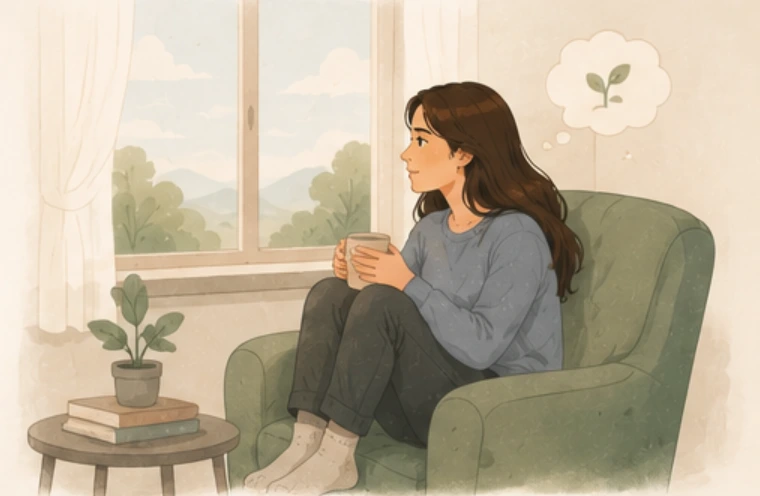
You build worth that doesn't need to win a ranking. Catch the comparison as a pattern firing, rate your own experience before checking it against someone else's, and notice that the people you compare yourself to are usually a curated highlight, not a real life. Over time your system learns that worth isn't a competition, and the comparing eases into genuine self-trust.
How it works
Three steps to clarity
No fluff — just a clear path from questions to insight.
Answer the questions
Respond honestly to a short set of relationship scenarios. There are no right answers.
We analyze your pattern
Your responses are mapped across the four attachment dimensions to find your style.
Learn and grow
Get a clear result with practical tips for healthier, more secure relationships.
What it reveals
What this test explores
The patterns behind 'why do i compare myself to others'.
How often you check your worth against a ranking of others.
How much your sense of 'enough' depends on measuring up.
Concrete habits that build internal worth beyond comparison.
What people learned
Real notes from people who stepped off the scale.
“I compared myself to everyone. The test showed me it was a pattern — not ambition.”
“Rating my own experience first changed the whole habit.”
“I stopped measuring myself against highlights. The comparing faded.”
FAQ
Why do I compare myself to others? — frequently asked questions
Everything worth knowing before you take the test.
Related guides
Go deeper into jealousy & insecurity
Find out now
See what drives the comparing — and how to grow toward secure. Free, private, and personalized with AI.