
Trust Issues — Why You Can't Trust in Relationships
If you can't relax into closeness — always waiting for the betrayal, checking for the catch, bracing for the exit — it's not cynicism. Trust issues usually trace back to an anxious or fearful attachment pattern, where love once came with a lesson: it can't be relied on. This guide unpacks where the distrust comes from and how to trust again.
❤️ Relationship Patterns Test
Which attachment style are you?
Your attachment style influences how you trust, love, and respond to closeness. Take this free attachment test to discover your unique relationship pattern in about 2 minutes.




Trusted by 25,000+ people
- Everything you share is processed securely.
- We never publish your quiz answers, conversations, or uploaded screenshots.
- No account required.
❤️ Built From a Real Relationship
Created by someone who experienced an anxious–avoidant relationship firsthand.
Read the story →What you might be asking
Common questions about trust
Pick the one that sounds like you — each opens a deeper guide.
Explore each style
Explore each attachment style
Four attachment styles, each with its own way of loving, trusting, and handling closeness. Pick one to go deeper.
Comfortable with closeness
Secure attachment styles trust easily, communicate needs openly, and balance intimacy with independence. It is the steady center the other attachment styles move toward.
Learn moreCraving reassurance
Anxious attachment styles long for closeness and worry about partners pulling away. Reassurance calms the worry, and awareness is the first step to steadier relating.
Learn moreValuing independence
Avoidant attachment styles treat self-reliance as armor and may withdraw when emotions run high. Small, steady steps slowly make closeness feel safe again.
Learn moreWanting and fearing closeness
Fearful-avoidant attachment styles want connection but expect to be hurt, creating a push-pull. Naming the swing is how it begins to steady.
Learn moreWhere science meets AI
An attachment style test, personalized by AI
Classic attachment theory, scored the research-backed way — then an AI model writes a report that is yours alone.
Grounded in attachment theory
Scored the same way psychologists have studied for decades — across secure, anxious, avoidant, and fearful-avoidant patterns.
Personalized by AI
Your answers become a custom report: a relationship overview, your strengths, your triggers, and steps toward more secure attachment.
Free and private
No signup, no paywall. Take the attachment style test in about two minutes.

What trust issues really are
Trust issues are your nervous system treating closeness as a setup for pain. If care was once unreliable — a parent who vanished, a partner who lied, love that flipped without warning — your mind learned to price in betrayal before it happens. So you hover over their phone, doubt the good days, and keep one foot out the door. It feels like wisdom, but it's an old protection running long past the danger. For most people it maps onto anxious or fearful attachment, where love and danger became linked.
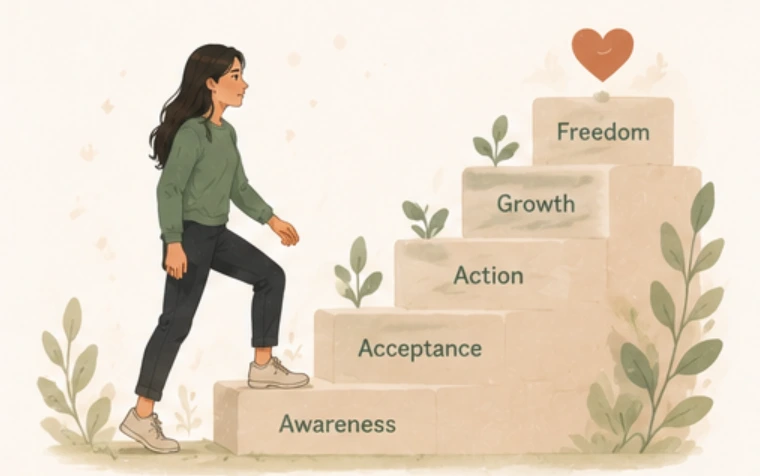
From guarded to trusting again
You can't think your way into trust — you build it, in small evidence-gathering moments. The work is part internal: noticing the alarm as a pattern, letting good moments stay good, updating a map drawn years ago. And part relational: giving people the chance to be trusted, and choosing partners who can hold it. Over time closeness stops feeling like a trap being set, and trust stops feeling like a leap. It becomes something you can extend without bracing for the fall.
How it works
Three steps to clarity
No fluff — just a clear path from questions to insight.
Answer the questions
Respond honestly to a short set of relationship scenarios. There are no right answers.
We analyze your pattern
Your responses are mapped across the four attachment dimensions to find your style.
Learn and grow
Get a clear result with practical tips for healthier, more secure relationships.
Signs trust issues are running the show
Common signs of trust issues in a relationship
Distrust shows up in everyday habits — here's what to notice.
You doubt reassurance, reread messages for hidden meanings, and wait for the catch.
You snoop, check, or test your partner — and feel guilty right after.
You keep one foot out the door so the betrayal 'can't surprise' you.
What people learned about their trust issues
Real notes from people learning to trust again.
“I always waited for the catch. Seeing it as anxious attachment helped me trust the good days.”
“One foot out the door felt safe. Naming the pattern let me actually step in.”
“We stopped testing each other. Trust got built in small moments, not big leaps.”
FAQ
Trust issues in relationships — frequently asked questions
Everything worth knowing before you take the test.
Find the pattern behind the distrust
See where you land across the four attachment styles — and how to grow toward secure. Free, private, and personalized with AI.