
Anxious Attachment — The Longing Style
Anxious attachment pairs a deep longing for closeness with a quiet fear it could disappear. People with an anxious attachment style crave reassurance, read every shift in tone, and invest early. It is not a flaw — it is a pattern, and this guide shows how to steady it.
❤️ Relationship Patterns Test
Which attachment style are you?
Your attachment style influences how you trust, love, and respond to closeness. Take this free attachment test to discover your unique relationship pattern in about 2 minutes.




Trusted by 25,000+ people
- Everything you share is processed securely.
- We never publish your quiz answers, conversations, or uploaded screenshots.
- No account required.
❤️ Built From a Real Relationship
Created by someone who experienced an anxious–avoidant relationship firsthand.
Read the story →Four attachment styles
Discover Your Attachment Style
Secure
Comfortable with intimacy and independence.
Anxious
Seek closeness, often worry about abandonment.
Avoidant
Value independence, feel uncomfortable with closeness.
Fearful Avoidant
Desire intimacy but fear getting hurt or overwhelmed.
Explore each style
Explore each attachment style
Four attachment styles, each with its own way of loving, trusting, and handling closeness. Pick one to go deeper.
Comfortable with closeness
Secure attachment styles trust easily, communicate needs openly, and balance intimacy with independence. It is the steady center the other attachment styles move toward.
Learn moreCraving reassurance
Anxious attachment styles long for closeness and worry about partners pulling away. Reassurance calms the worry, and awareness is the first step to steadier relating.
Learn moreValuing independence
Avoidant attachment styles treat self-reliance as armor and may withdraw when emotions run high. Small, steady steps slowly make closeness feel safe again.
Learn moreWanting and fearing closeness
Fearful-avoidant attachment styles want connection but expect to be hurt, creating a push-pull. Naming the swing is how it begins to steady.
Learn moreWhere science meets AI
An attachment style test, personalized by AI
Classic attachment theory, scored the research-backed way — then an AI model writes a report that is yours alone.
Grounded in attachment theory
Scored the same way psychologists have studied for decades — across secure, anxious, avoidant, and fearful-avoidant patterns.
Personalized by AI
Your answers become a custom report: a relationship overview, your strengths, your triggers, and steps toward more secure attachment.
Free and private
No signup, no paywall. Take the attachment style test in about two minutes.
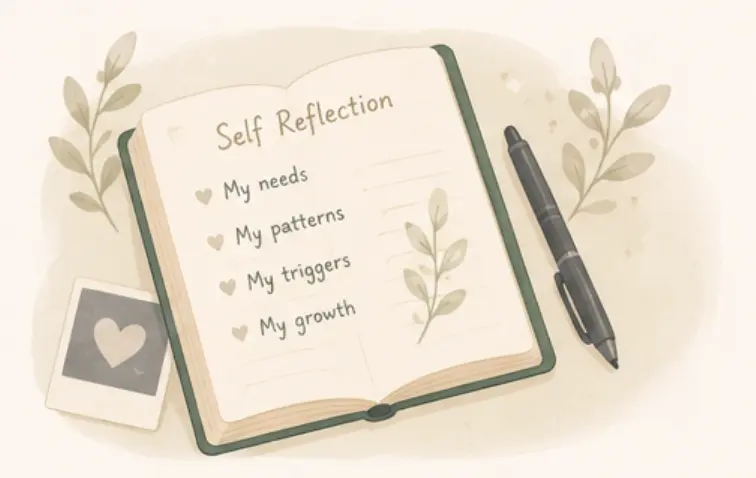
What anxious attachment looks like
An anxious attachment style shows up as a hunger for reassurance. A delayed reply can spiral into worry, small distance feels like abandonment, and conflict can threaten the whole relationship. Underneath is a deep capacity to love — the work is learning that closeness does not have to be re-earned every day.
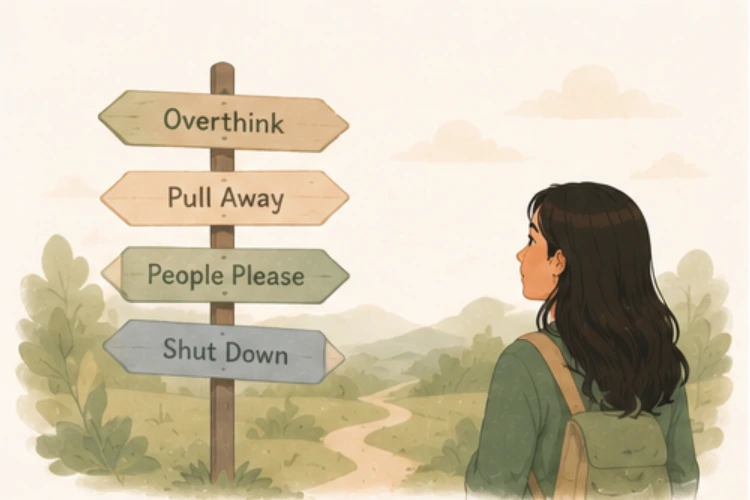
How anxious attachment forms
Anxious attachment often grows from inconsistency — closeness that was warm one moment and distant the next. The nervous system learned to stay alert for signs of withdrawal. But this pattern is not fixed: through steady relationships, self-soothing, and repairing after ruptures, the anxious edge softens into more secure trust over time.
How it works
Three steps to clarity
No fluff — just a clear path from questions to insight.
Answer the questions
Respond honestly to a short set of relationship scenarios. There are no right answers.
We analyze your pattern
Your responses are mapped across the four attachment dimensions to find your style.
Learn and grow
Get a clear result with practical tips for healthier, more secure relationships.
Signs of anxious attachment
Common signs of an anxious attachment style
Anxious attachment tends to show up in everyday moments — here is what it looks like.
You seek frequent reassurance, and silence easily becomes a source of worry.
A partner's distance or distraction lands as a sign they are losing interest.
You feel things deeply and love intensely — and fear that intensity will push people away.
What people with anxious attachment share
Real notes from people learning to steady the anxious pattern.
“I thought my worry meant something was wrong with me. Learning about anxious attachment showed me it's a pattern — one I can calm.”
“My anxiety used to run the relationship. Naming the style was the first time I could choose differently.”
“Understanding anxious attachment helped me ask for reassurance directly instead of testing my partner.”
FAQ
Anxious attachment — frequently asked questions
Everything worth knowing about the anxious attachment style.
Popular guides
Popular guides about attachment
Find out if you have anxious attachment
See where you land across all four styles — and how to grow toward secure. Free, private, and personalized with AI.